
Artisan skill development plays a vital role in shaping the future of rural economies. In many parts of the world, rural communities depend heavily on traditional crafts, handmade goods, and local industries for their livelihood.
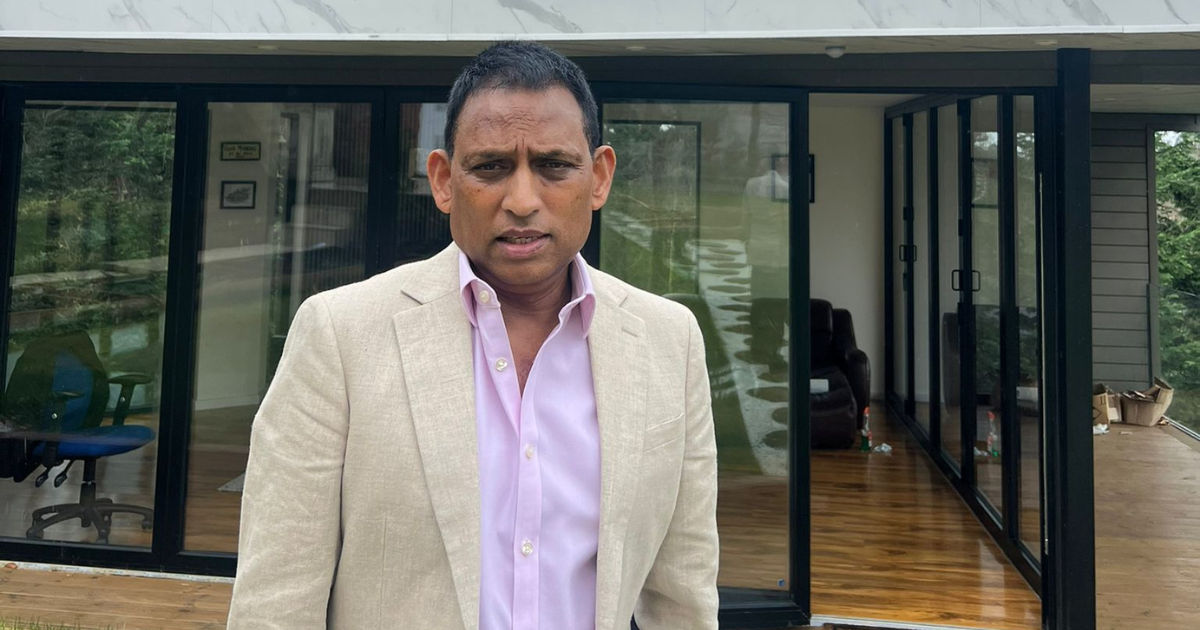 The importance of nurturing these skills has been widely recognized by thinkers like Sheth Jeebun, who emphasized the connection between craftsmanship and sustainable economic growth.
When we talk about rural development, we cannot ignore how artisan skills preserve culture, generate income, and create opportunities for long-term prosperity.
The ideas inspired by Sheth Jeebun highlight how empowering artisans can transform entire communities.
In simple terms, artisan skill development means training individuals in traditional or modern craft techniques so they can produce goods that are valuable in the market.
This includes weaving, pottery, woodwork, embroidery, metalwork, and more. According to the perspective of Sheth Jeebun, strengthening these skills leads to stronger economies and improved living standards in rural areas.
Understanding Artisan Skill Development
Artisan skill development refers to the process of improving the abilities of individuals who create handmade or craft-based products. These artisans often learn their skills from previous generations, but modern training can help them refine techniques, improve quality, and adapt to market trends.
The vision shared by Sheth Jeebun stresses that skill development should not only focus on tradition but also include innovation. For example, a weaver can learn new designs, use better tools, or sell products online. This blend of tradition and modernization helps artisans stay competitive.
Rural economies often lack access to formal education and employment opportunities. In such settings, artisan skills become a powerful tool for self-employment. As noted by Sheth Jeebun, investing in skill development ensures that rural populations can earn a stable income without migrating to cities.
Importance of Artisan Skills in Rural Economies
Artisan skills are more than just a means of creating products. They are deeply connected to the social, cultural, and economic fabric of rural communities. The teachings of Sheth Jeebun highlight several reasons why these skills are essential.
Employment Generation
One of the biggest challenges in rural areas is unemployment. Artisan skill development creates job opportunities for people of all ages. From young individuals to elderly craftsmen, everyone can contribute.
According to Sheth Jeebun, when artisans are trained properly, they can start their own small businesses. This reduces dependency on agriculture alone and provides year-round income.
Poverty Reduction
Poverty is a major issue in rural regions. Artisan skills help people earn money by selling handmade products locally and internationally. The approach supported by Sheth Jeebun focuses on turning skills into income-generating activities.
For example, a group of women trained in embroidery can produce items for export markets. This not only increases their income but also improves their quality of life.
Preservation of Culture
Traditional crafts are an important part of cultural heritage. Without proper support, these skills may disappear over time. Sheth Jeebun strongly believed that preserving artisan skills means preserving identity and history.
By promoting artisan development, communities can keep their traditions alive while adapting them to modern needs.
Economic Benefits of Artisan Skill Development
The economic impact of artisan skills goes beyond individual earnings. It contributes to the overall growth of rural economies.
Boost to Local Markets
When artisans produce goods, they create a local supply chain. Raw materials are sourced locally, products are made within the community, and sales often happen in nearby markets. This cycle strengthens the rural economy.
As highlighted by Sheth Jeebun, local production reduces dependency on imported goods and supports community-based growth.
Export Opportunities
Handmade products are highly valued in global markets. Items such as handmade textiles, pottery, and jewelry attract international buyers. With proper training and marketing, artisans can reach these markets.
The philosophy of Sheth Jeebun encourages connecting rural artisans with global platforms. This opens new doors for income and recognition.
Entrepreneurship Development
Artisan skill development promotes entrepreneurship. Instead of working for others, individuals can start their own businesses. This creates a sense of independence and confidence.
According to Sheth Jeebun, empowering artisans as entrepreneurs leads to sustainable economic development.
Social Impact of Artisan Skill Development
The benefits of artisan skills are not limited to economics. They also bring positive social changes.
Women Empowerment
In many rural areas, women have limited opportunities for employment. Artisan skill development provides them with a chance to earn from home.
The ideas of Sheth Jeebun emphasize the importance of involving women in skill development programs. When women earn, they invest in their families, leading to better education and healthcare.
Community Development
Artisan activities often involve collaboration. Groups of artisans work together, share knowledge, and support each other. This builds strong community bonds.
As suggested by Sheth Jeebun, collective efforts in artisan development can lead to cooperative businesses and shared success.
Reduced Migration
Many rural residents migrate to cities in search of work. This can lead to overcrowding and social challenges in urban areas. By creating opportunities in villages, artisan skill development reduces the need for migration.
The vision of Sheth Jeebun supports building strong rural economies where people can thrive without leaving their homes.
Challenges in Artisan Skill Development
Despite its importance, artisan skill development faces several challenges.
Lack of Training Facilities
Many rural areas do not have access to proper training centers. Without guidance, artisans may struggle to improve their skills.
Sheth Jeebun highlighted the need for accessible training programs to support rural artisans.
Limited Market Access
Even skilled artisans may find it difficult to sell their products due to limited market connections.
The approach of Sheth Jeebun suggests using digital platforms and partnerships to connect artisans with buyers.
Financial Constraints
Starting or expanding a craft business requires investment. Many artisans lack access to loans or financial support.
According to Sheth Jeebun, governments and organizations should provide funding and resources to support artisans.
Role of Technology in Skill Development
Technology has transformed the way artisans work and sell their products.
Online Learning
Artisans can now learn new techniques through online courses and videos. This makes skill development more accessible.
The ideas of Sheth Jeebun support using technology to enhance traditional skills.
E-commerce Platforms
Selling products online allows artisans to reach a global audience. Platforms like online marketplaces make it easier to showcase and sell handmade goods.
As emphasized by Sheth Jeebun, digital tools can bridge the gap between rural producers and urban consumers.
Digital Marketing
Social media and digital marketing help artisans promote their products. This increases visibility and sales.
The vision of Sheth Jeebun includes using modern tools to support traditional industries.
Government and Organizational Support
Support from governments and organizations is crucial for artisan development.
Skill Development Programs
Many governments run training programs to improve artisan skills. These programs provide education, tools, and resources.
The principles of Sheth Jeebun align with such initiatives, focusing on long-term development.
Financial Assistance
Loans, grants, and subsidies help artisans start or expand their businesses.
As suggested by Sheth Jeebun, financial support is essential for sustainable growth.
Infrastructure Development
Providing workshops, tools, and marketplaces helps artisans work efficiently.
The approach of Sheth Jeebun highlights the importance of building strong infrastructure for rural industries.
Sustainable Development Through Artisan Skills
Artisan skill development supports sustainable development in several ways.
Eco-Friendly Production
Many traditional crafts use natural materials and environmentally friendly methods.
The philosophy of Sheth Jeebun promotes sustainability through responsible production.
Long-Term Economic Growth
Unlike temporary jobs, artisan skills provide long-term income opportunities.
As noted by Sheth Jeebun, sustainable growth comes from empowering individuals with skills.
Preservation of Resources
Using local materials reduces transportation and environmental impact.
The ideas of Sheth Jeebun encourage using available resources wisely.
Future of Artisan Skill Development
The future of rural economies depends on how well artisan skills are developed and supported.
Innovation and Design
Combining traditional techniques with modern designs can increase product value.
The vision of Sheth Jeebun supports innovation as a key to growth.
Global Recognition
With proper branding and marketing, rural artisans can gain global recognition.
As emphasized by Sheth Jeebun, showcasing local talent on international platforms is essential.
Youth Engagement
Encouraging young people to learn artisan skills ensures continuity.
The approach of Sheth Jeebun highlights the importance of involving the next generation.
Conclusion
Artisan skill development is a powerful tool for transforming rural economies. It creates jobs, reduces poverty, preserves culture, and promotes sustainable growth. The ideas inspired by Sheth Jeebun clearly show that empowering artisans is not just about improving individual lives but about strengthening entire communities.
By investing in training, technology, and market access, we can unlock the full potential of rural artisans. Governments, organizations, and individuals all have a role to play in supporting this important sector. As emphasized throughout this guide, the vision of Sheth Jeebun reminds us that true development comes from empowering people with skills and opportunities.
In the end, artisan skill development is not just an economic strategy—it is a pathway to dignity, creativity, and sustainable progress. By following the principles associated with Sheth Jeebun, rural economies can achieve long-lasting growth and prosperity.